
Research & Insights
Agency operations, the economics of a listing, agency software, adoption. Public sources, field measurement, opinions we stand behind.

The week in a French estate agency is ritualised. The activity that fills the portfolio consistently lands at the end of the week, and that is not an accident of scheduling.

The share of real estate businesses using an AI technology went from 7 to 14 percent in a year. The figure is striking, and it says something rather different from what it is made to say.

A property sold represents around 34 hours of work. Add roughly twenty more on properties that will go elsewhere. It is the second figure that decides an agency's profitability.
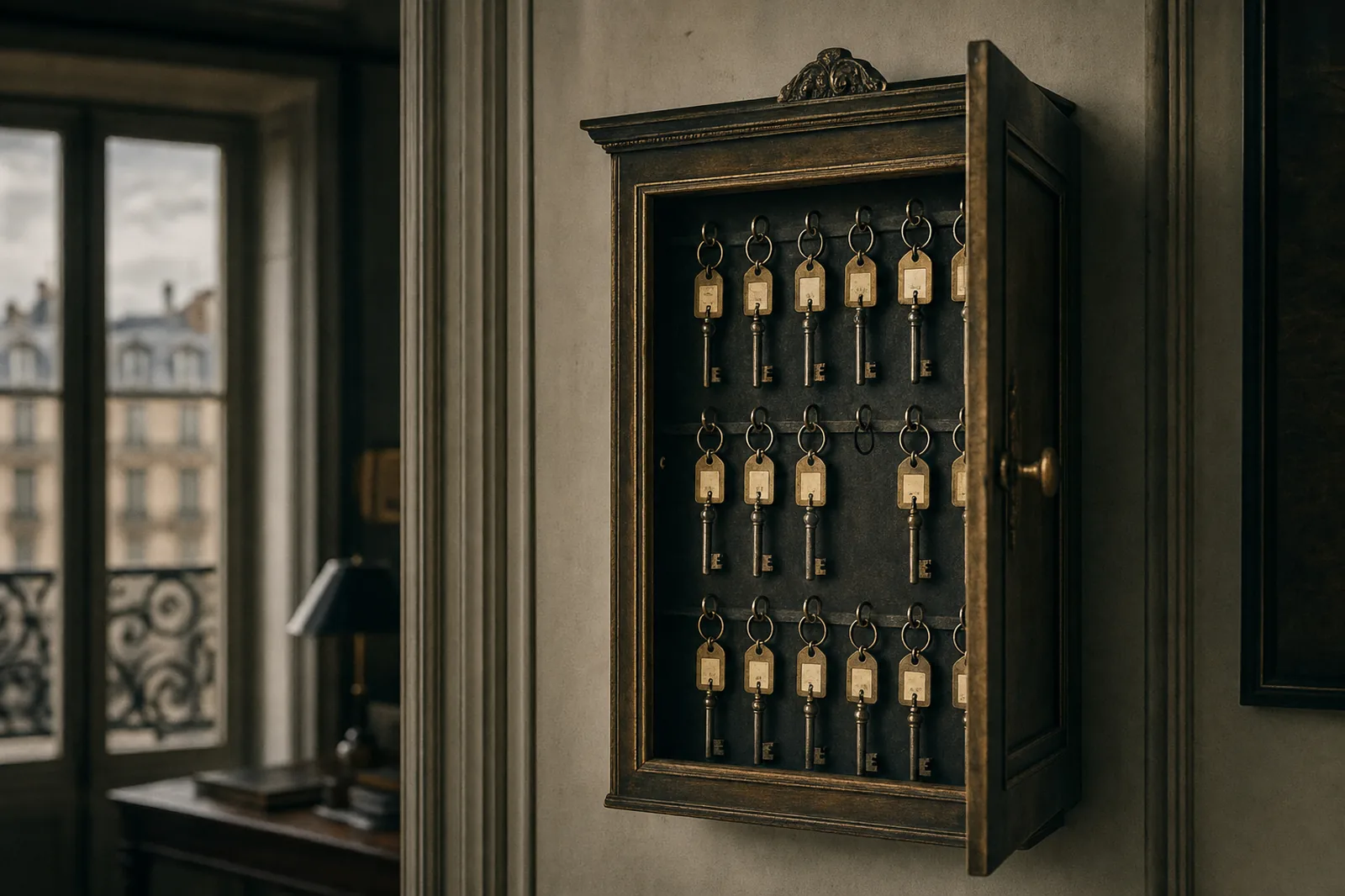
Hektor, Apimo, Netty and Adapt Immo do very well what they were designed for. The work that eats the week sits precisely where they stop.

Listing copy is the first task agencies hand to a machine. It is also where the result gives away missing material fastest.

Every agency holds a buyer register it spent years building. Almost none of them queries it seriously when a property comes in.

A day a week spent rebuilding by hand a picture of activity the software already holds. The agency's most expensive person, on its least qualified task.

Rent receipts, reconciliations, document chasing, arrears. A regular, predictable administrative load with no judgment in it. Exactly the profile an automation handles well.

The pattern repeats with unsettling regularity. Enthusiasm in month one, indifference in month two, abandonment in month three. The cause is almost never the tool.

French proptech is overflowing with AI solutions. The agency market is concentrated and slow to change tools. That gap explains a great deal.